
the first law of ecology is that everything is related to everything else.

Friday
4 kg of bacteria Clostridium Botulinum enough to kill all of humanity

Thursday
Фото дня 15.04.2014 - Дружба волка с медведем
На этой уникальной фотографии Ласси Раутиайнен (Lassi Rautiainen) мы можем наблюдать маловероятную дружбу между медведем и волком. Эти животные были замечены в СевернойФинляндии , где Раутиайнен организует поездки для фотографов и любителей путешествий по дикой природе Финляндии. Согласно интервью с Daily Mail, Раутиайнен наблюдала за животными в течение 10 дней каждую ночь встречались и обменивались друг с другом едой. Фотограф считает, что наверняка животные еще молоды и не могут в одиночку выжить в дикой среде.


Wednesday
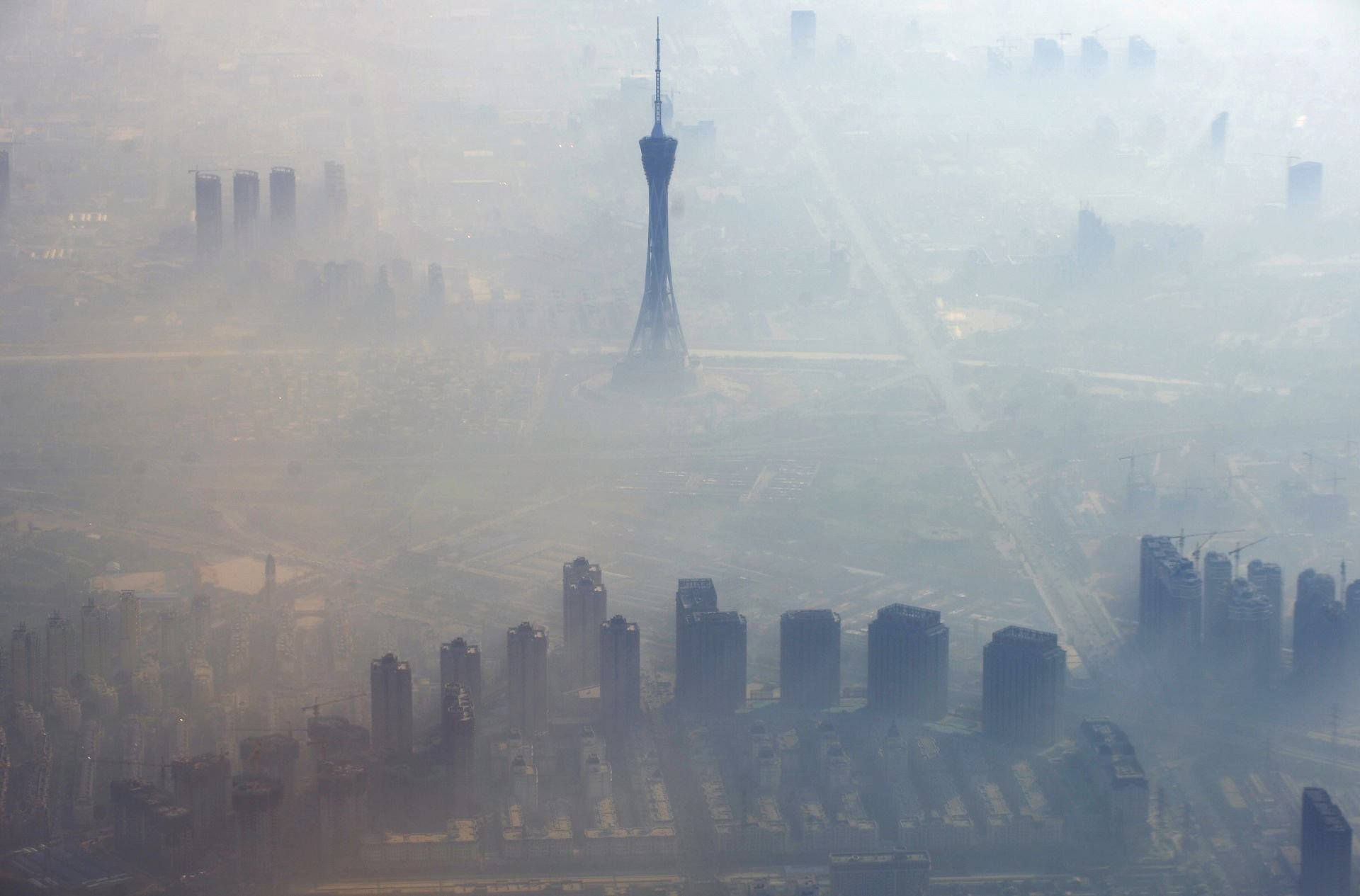
В Китае появились продавцы воздуха
Ну, если быть точным, то не продавцы, а дарители. Если верить сообщениям CNN, именно такая категория людей объявилась в ктайском городе Чжэнчжоу. Этот город известен в первую очередь своей ужасной экологией, в частности, чрезвычайно загрязненным воздухом (по этому показателю город занимает 10 место в КНР). Неудивительно, что странные люди, которые раздавали горожанам банки и пакеты с чистым воздухом, особого удивления не вызвали. Всего в Чжэнчжоу было доставлено 40 пакетов и 2000 банок воздуха с горы Лаоцзюнь – одного из самых красивых и экологически чистых мест во всем Китае. Необычные подарки разошлись среди жителей города за 15-20 минут, причем в пунктах раздачи даже образовались очереди!

Tuesday
Earth day and the Human Revolution

Just over 200 years have zipped by since humans began to truly command the planet’s resources in ways that have taken mankind to unprecedented heights and advances in modern living. That was the dawn of the Industrial Revolution which marked not only the start of society’s prodigious developments in living, business and industry, but also the start of mankind’s dominance over their environment.
Monday
Our beautiful country!!
Azerbaijan - the largest republic of Transcaucasia. Azerbaijan is situated in Southwest Asia, between the Caucasus range in the north and the Karabakh mountains and Tamyshskimi mountains in the south. Azerbaijan borders with Russia ( Dagestan ) , on the west by Armenia and Georgia in the south - with Iran, in the south- west Turkey. In the east, Azerbaijan borders the Caspian Sea . Azerbaijan - is one of the richest countries of the former Union of its natural conditions bowels of the earth contain valuable minerals such as oil and gas, copper ore , gold and others.
Sunday
Radiological Damage to Microbes Hampers Plant Decomposition withinChernobyl Ecosystem
More than 25 years after an explosion and fire at the Chernobyl nuclear power plant spewed large quantities of radioactive material across much of the western USSR and Europe, microbes near the site of the accident remain compromised in their ability to decompose dead plant matter at normal rates.

Decades after the Chernobyl disaster, a sign warns of radioactive contamination amid undecomposed biomass in the Red Forest, located directly downwind of the nuclear reactor. Credit: Timm Suess
The result is a buildup of biomass that presents not just a local wildfire hazard, but could potentially spread radioactive beyond the immediate area if carried aloft by smoke.
Tim Mousseau, a professor of biology and co-director of the Chernobyl and Fukushima Research Initiatives at the University of South Carolina, and frequent collaborator Anders Møller of Université Paris-Sud became intrigued when they noticed something unusual in the course of their work in the Red Forest, the most contaminated part of the Chernobyl Exclusion Zone.
“We were stepping over all these dead trees on the ground that had been killed by the initial blast,” Mousseau said. “Some 15 or 20 years later, these tree trunks were in pretty good shape. If a tree had fallen in my backyard, it would be sawdust in 10 years or so.”
In an effort to assess the rate of plant decomposition relative to background radiation, the researchers placed hundreds of mesh bags containing uncontaminated leaf litter in different areas representing a range of radioactive contamination.
Subscribe to:
Posts (Atom)